Add to that an active lifestyle, a limited diet, pregnancy, a diagnosis of diabetes, migraines, depression, neuropathy or cardiovascular disease and the negative effects of insufficient B vitamins are compounded.
Making things more challenging is that diet does not always provide the optimal daily allowances that are needed in these situations. Plus, some individuals may lack the ability to convert and absorb specific B vitamins.
Making things more challenging is that diet does not always provide the optimal daily allowances that are needed in these situations. Plus, some individuals may lack the ability to convert and absorb specific B vitamins.
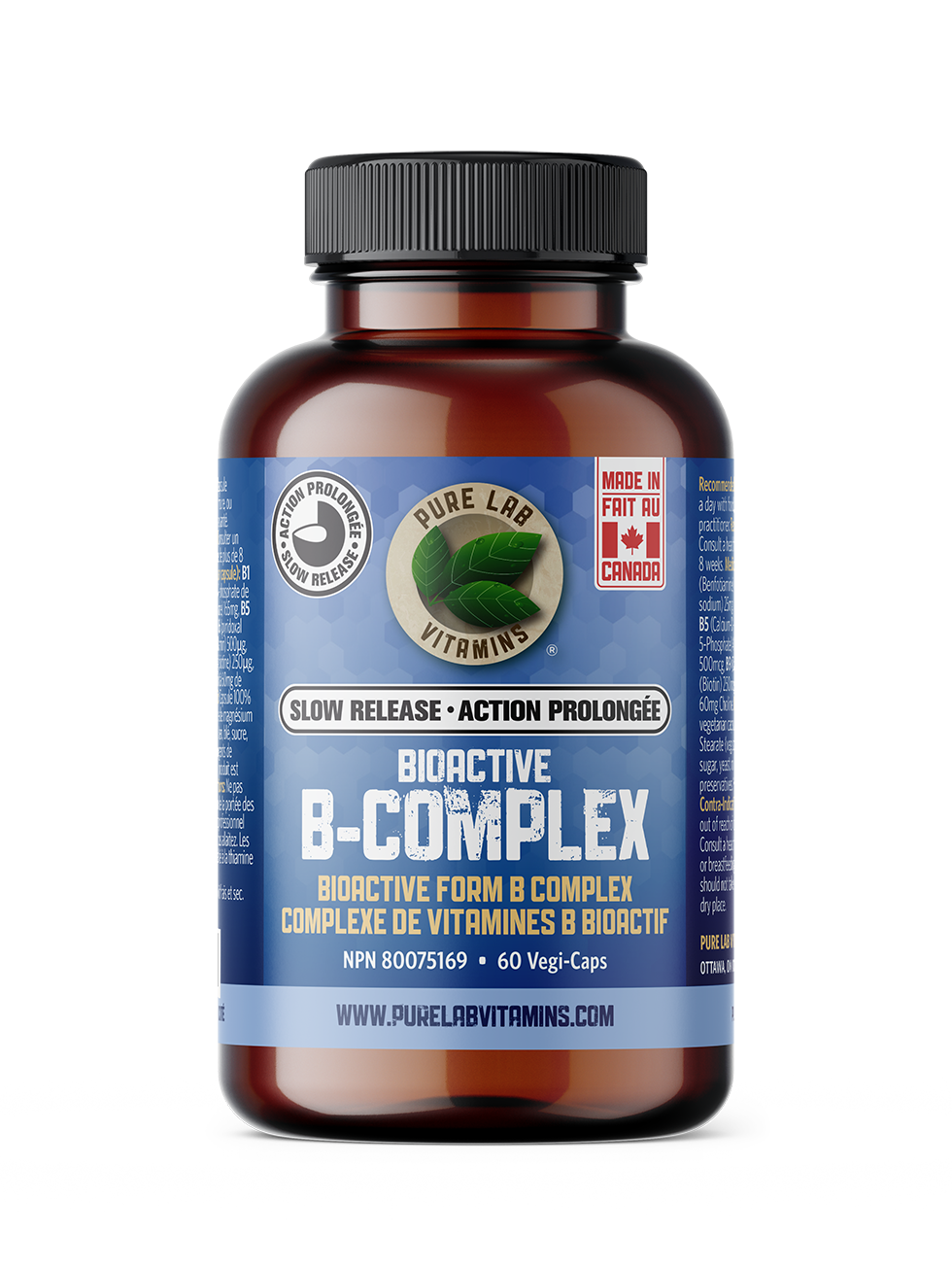
Pure Lab’s Slow Release BioActive B-Complex is comprised of all B vitamins, including the biologically active forms of thiamine (benfotiamine), niacin (inositol hexanicotinate), riboflavin (riboflavin-5-phosphate, folate (calcium-L-5- MTHF), B6 (pyridoxal-5-phosphate) and B12 (methylcobalamin). Like a fully-charged battery instead of a partially drained one, the vitamins in our formulation are ready to perform metabolic work as soon as they get absorbed. This balanced ratio of B vitamins in their bioavailable form provides the support necessary to improve resilience against stress.
We consider our Slow Release BioActive B-Complex a foundation product that can benefit anyone looking for improved mental and physical energy.
Because B vitamins are water-soluble, getting used up or excreted quickly, Pure Lab’s Slow Release BioActive B-Complex product was formulated to support the maintenance of blood levels over a longer period of time—about 4 to 5 hours per capsule. That’s about twice as long as standard B complex formulations. This minimizes most individuals’ daily dose to just 1 or 2 capsules.
We recommend taking 1 capsule with food at the start of your day, and another 1 at lunch time. Doing this, what you’re going to notice is a bright yellow tint to your urine that lasts throughout the day. That’s visible proof of the slow-release effect.
Adams JB, Kirby JK, Sorensen JC, Pollard EL, Audhya T. Evidence based recommendations for an optimal prenatal supplement for women in the US: vitamins and related nutrients. Matern Health Neonatol Perinatol. 2022;8(1):4. Published 2022 Jul 11.
Clarke, Robert et al. Low Vitamin B-12 Status and Risk of Cognitive Decline in Older Adults. Am J Clin Nutr Nov 2007, 86 (5), 1384-91.
Clase CM, Ki V, Holden RM. Water-soluble vitamins in people with low glomerular filtration rate or on dialysis: a review. Semin Dial. 2013;26(5):546-567
Huang, Peirong et al. Homocysteine and the Risk of Age-Related Macular Degeneration: A Systematic Review and Meta-Analysis. Sci Rep 2015 Jul 21, 5, 10585.
Jacobson Bensky, Merav et al. Comparison of Sublingual vs. Intramuscular Administration of Vitamin B12 for the Treatment of Patients With Vitamin B12 Deficiency. Drug Deliv Transl Res Jun 2019, 9 (3), 625-630.
Kim H, Kim G, Jang W, Kim SY, Chang N. Association between intake of B vitamins and cognitive function in elderly Koreans with cognitive impairment. Nutr J. 2014;13(1):118. Published 2014 Dec 17.
Li, J., Goh, C.E., Demmer, R.T. et al. Association between Serum Folate and Insulin Resistance among U.S. Nondiabetic Adults. Sci Rep 2017:7, 9187.
Lin, Ping-Ting et al. Low Pyridoxal 5'-phosphate Is Associated With Increased Risk of Coronary Artery Disease. Nutrition Nov-Dec 2006:22 (11-12), 1146-51.
Liu KW, Dai LK, Jean W. Metformin-related vitamin B12 deficiency. Age and Ageing 2006;35:200-1.
Mahdavifar B, Hosseinzadeh M, Salehi-Abargouei A, Mirzaei M, Vafa M. Dietary intake of B vitamins and their association with depression, anxiety, and stress symptoms: A cross-sectional, population-based survey. J Affect Disord. 2021;288:92-98.
Oregon State University. “OSU Study: Poor athletic performance may be linked to nutrient deficiency.” October 23, 2009. Accessed online November 24, 2022.
Yan Ji, Song Tan, Yuming Xu, Avinash Chandra, Changhe Shi, Bo Song, Jie Qin, Yuan Gao. Vitamin B supplementation, homocysteine levels, and the risk of cerebrovascular disease:A meta-analysis. Neurology Oct 2013, 81 (15) 1298-1307.
Why does my urine turn bright yellow when I take Pure Lab’s Slow Release BioActive B Complex?
Answer: It is normal for urine to turn bright yellow while taking supplements that contain Vitamin B2 (riboflavin) or its biologically active form, riboflavin-5-phosphate. This is the colour of the vitamin in concentrated, powdered form. Since Vitamin B2 is water-soluble, any unused portion cannot be stored by the body so it is excreted into the urine.
How long do the effects of Pure Lab’s Slow Release BioActive B Complex last?
Answer: On average, an individual can expect to maintain serum (blood) B vitamin levels from 1 dose of our Slow Release BioActive B complex over a period of 4 to 5 hours. When 2 capsules are taken together, you will see bright yellow urine for up to 10 hours after ingestion. However, individual experiences vary based on diet and metabolic differences.
Which ingredient in Pure Lab’s Slow Release BioActive B Complex is responsible for the slow-release effect and how does it work?
Answer: The ingredient in Pure Lab’s Slow Release BioActive B Complex responsible for the slow-release effect is hypromellose SR. This is a fiber derived from the pulp of the poplar or birch tree. The hypromellose SR is mixed with the ingredients within the capsule so that it forms a gel upon contact with digestive fluids. This allows for a slower release of the B vitamins, and therefore, a more gradual entry into the bloodstream for sustained benefits.
Are the B vitamins in Pure Lab’s Slow Release BioActive B Complex methylated?
Answer: All of the B vitamins in Pure Lab’s Slow Release BioActive B Complex are in their activated form. They are either methylated (for ex., B9 and B12) or phosphorylated (for ex., B2 and B6). In both cases, they are biologically active.
How are the B vitamins in Pure Lab’s Slow Release BioActive B Complex different from taking a regular B complex?
Answer: The B vitamins found in food and most supplements require conversion into biologically active forms before we can fully benefit from them. Pure Lab’s Slow Release BioActive B Complex contains biologically active B vitamins, ready to perform metabolic work. This is akin to using a fully charged battery, instead of a partially drained one.
Does Pure Lab’s Slow Release BioActive B Complex need to be taken with food?
Answer: To reduce chance of stomach discomfort, Pure Lab’s Slow Release BioActive B Complex can be taken with food—preferably no later than the 2nd meal of the day.
Does Pure Lab’s Slow Release BioActive B Complex have any side effects?
Answer: Like with all Vitamin B2 - containing supplements, Pure Lab’s Slow Release Bioactive B Complex turns the urine a bright yellow colour. This is normal and harmless. Some individuals may experience difficulty falling asleep when a B Complex supplement is taken with their evening meal. For this reason, it is advised that Pure Lab’s Slow Release Bioactive B Complex be taken no later than with your mid-day meal.
What use is Pure Lab’s Slow Release BioActive B Complex approved for?
Answer: In Canada, the registered health claim for Pure Lab’s Slow Release BioActive B Complex is: “Balanced B-Vitamins in their active form help metabolize carbohydrates, proteins and fats for energy, tissue support and red blood cell formation.”
● Is Pure Lab’s Slow Release BioActive B Complex vegan?
Answer: Pure Lab’s Slow Release BioActive B Complex contains no animal-derived ingredients. It is vegan.
Is Pure Lab Vitamins a Canadian company?
Answer: Yes, Pure Lab Vitamins is proudly owned and operated. Our products are made in Canada.
Is Pure Lab’s Slow Release BioActive B Complex made in a GMP-certified facility?
Answer: Yes, Pure Lab’s Slow Release BioActive B Complex is made in a GMP-certified facility.
Is Pure Lab’s Slow Release BioActive B Complex third-party tested?
Answer: Yes, Pure Lab’s Slow Release BioActive B Complex is third-party tested. Our raw materials and finished goods are always tested by ISO-certified labs.


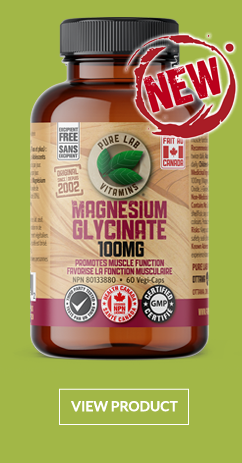
 Magnesium Glycinate 100 mg
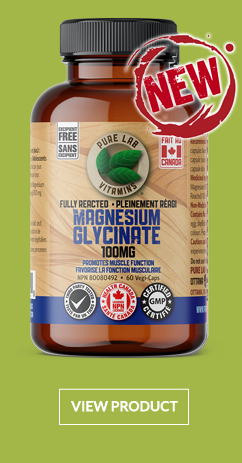
 Magnesium Glycinate Fully Reacted 100 mg
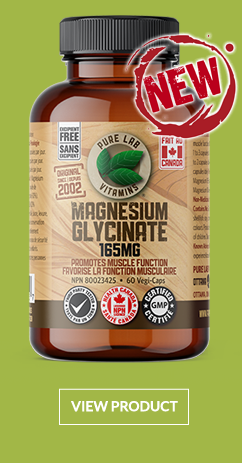
 Magnesium Glycinate 165 mg
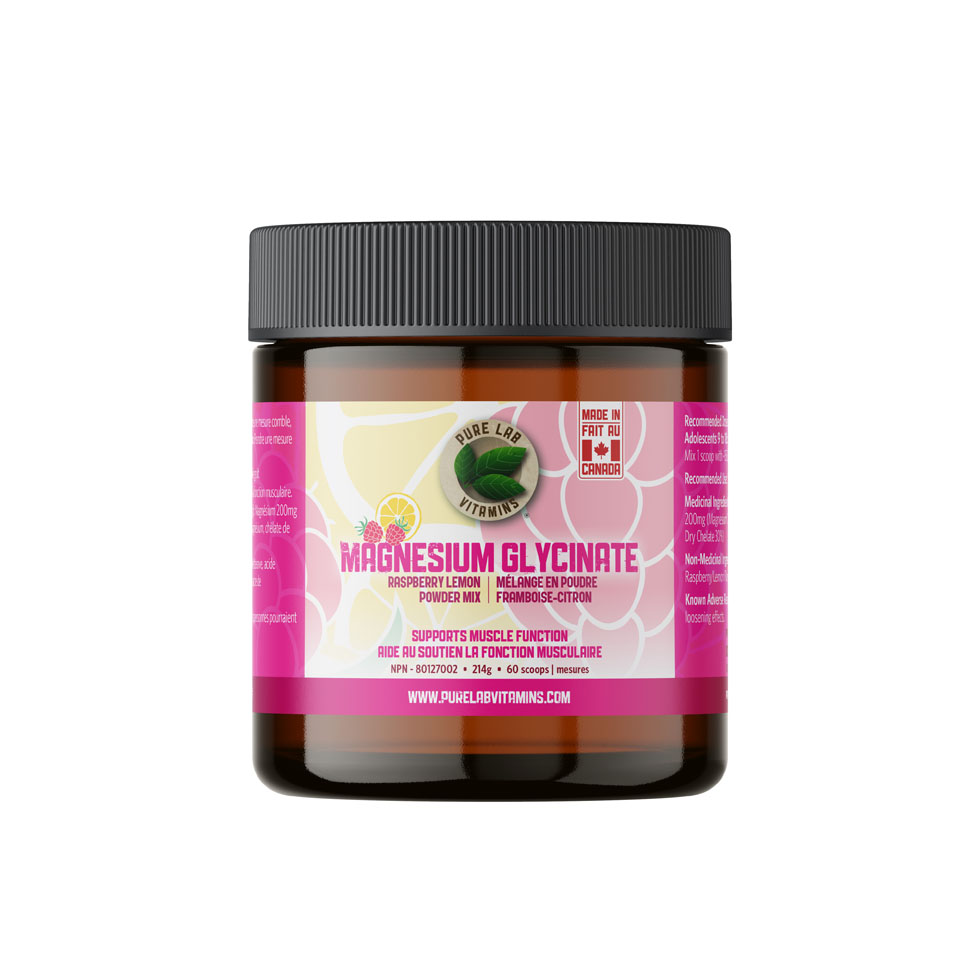
 Magnesium Glycinate Raspberry-Lemon Powder Mix
 Magnesium Glycinate +Taurine +CoQ10
 Carbonyl Iron 22.5 MG
 Zinc Glycinate 23 MG
 Copper Glycinate 1 MG
 Selenomethionine 200 MCG
 Calcium Hydroxyapatite
 Bioactive B Complex
 Bioactive Folic Acid 1 MG
 Bioactive B6 (PYRIDOXAL-5-PHOSPHATE) 50 MG
 Bioactive B12 1000 MCG
 Bioactive B12 5000 MCG
 NADH SR 20 MG
 NADH + Ubiquinol
 Vitamin K2-MK7 120 MCG
 NAC 600 MG
 L-THEANINE 250 MG
 L-THEANINE SLOW RELEASE 200 MG
 L-THEANINE CHEWABLES 125 MG
 L-Glutamine Capsules
 L-Glutamine Powder
 Magnesium Butyrate
 DIM
DIM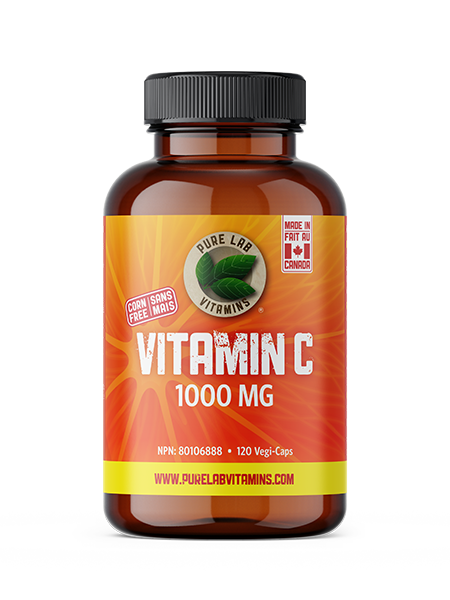 Vitamin C 1000 MG
 Vitamin C Slow Release 1000MG
 Vitamin C Powder
 Vitamin D3 1000IU
 Vitamin D3 2500IU
 Vegan Vitamin D3 1000IU
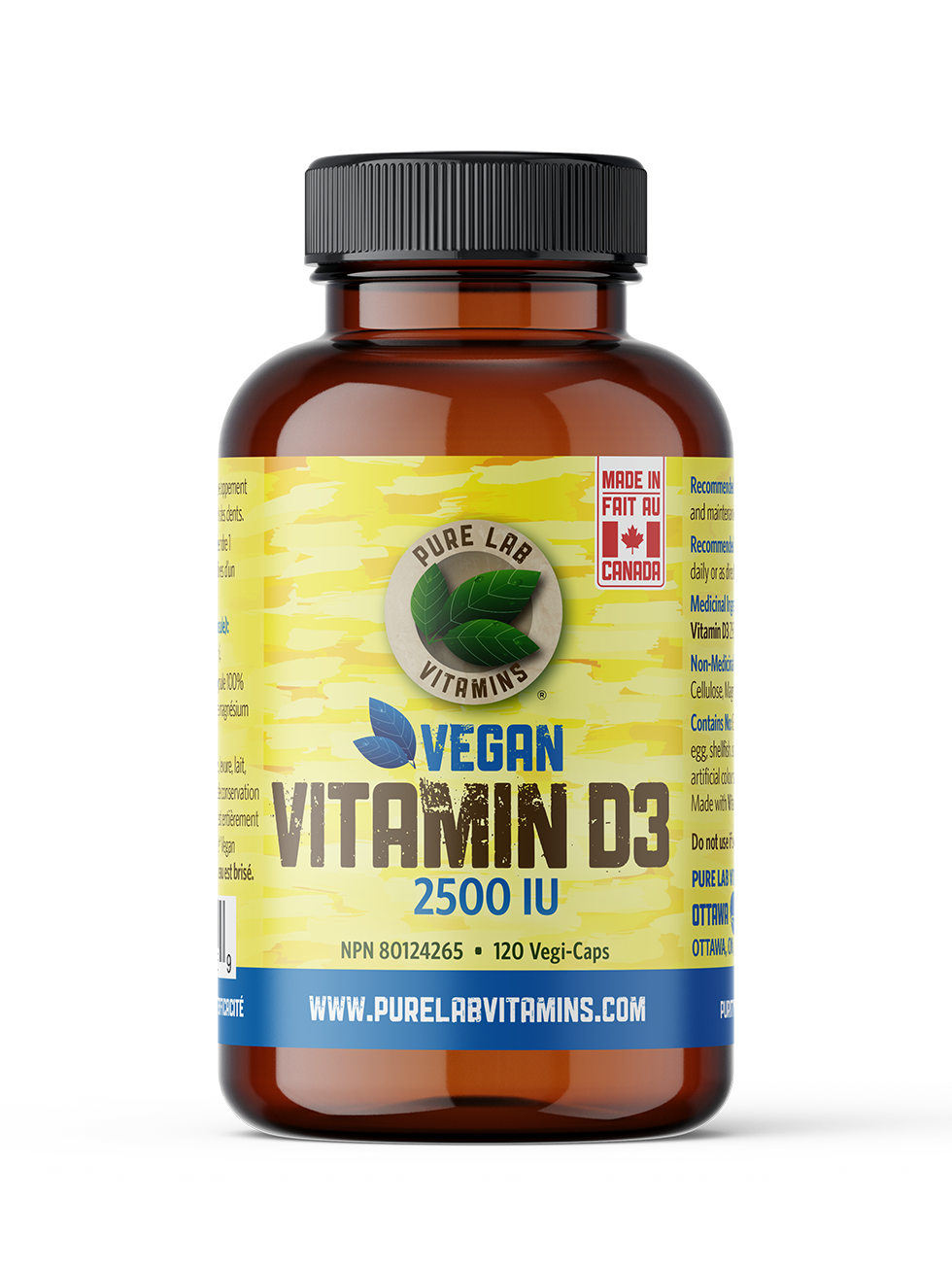 Vegan Vitamin D3 2500IU
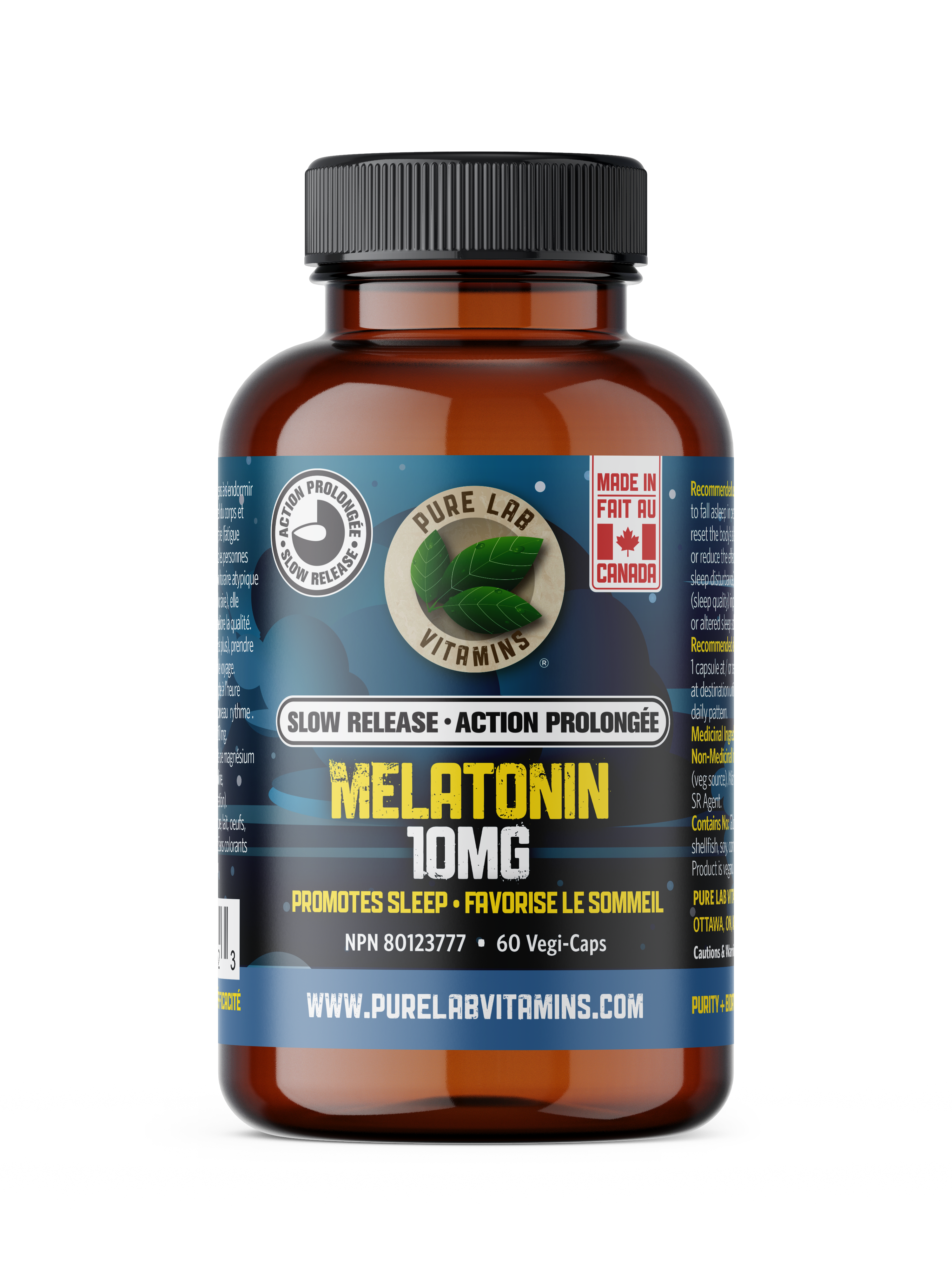 Slow Release Melatonin 10 MG
.png) Magnesium Glycinate +Melatonin
Magnesium Glycinate +Melatonin AlkaPure pH
 ThyroPure
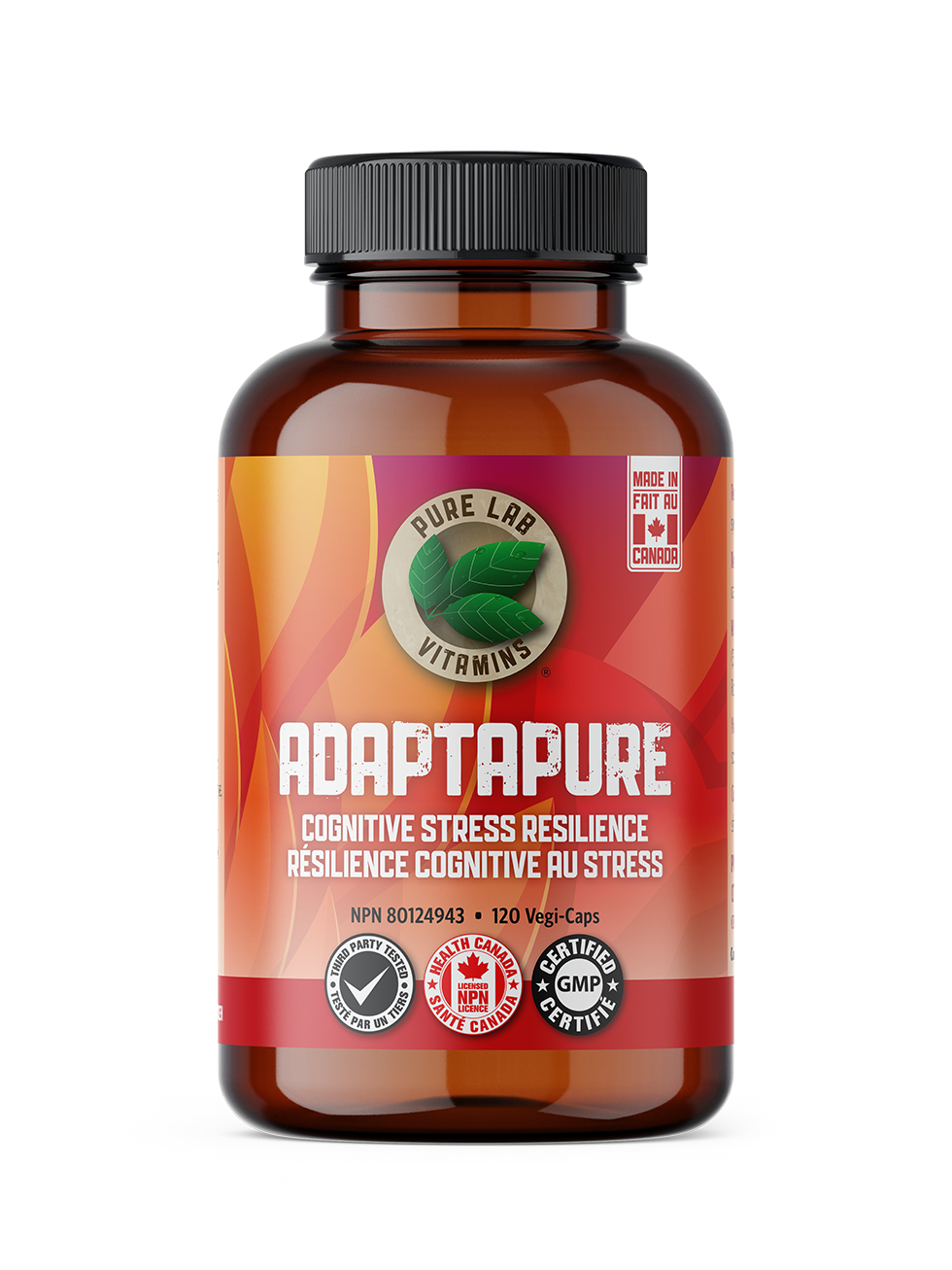 AdaptaPure
 Rhodiola
 UTI Pure 120s
 UTI Pure Powder








 WHAT'S HAPPENING AT PLV


