Glutamine is a building block of glutathione, a powerful antioxidant made by the body to protect cells from pathogens and toxins. This makes glutamine an important nutrient for the immune system.
Glutamine is also a critical nutrient for immune cells and enterocytes—the cells that line the digestive system. Although glutamine is found in high-protein foods, efficient digestion is required to liberate it from food. So if you’re afflicted by food intolerances, irritable bowel syndrome, ‘leaky gut’, inflammatory bowel disease or other digestive conditions involving compromised absorption, a supplement can provide you with a readily absorbed form of glutamine because it requires no digestion.
Physical stress uses up glutamine at a rapid rate. Prolonged strenuous exercise, infections, burns, surgery, bowel disease and immune-compromised conditions are all examples of situations that can deplete your blood’s glutamine levels. By supporting muscle cell repair and glycogen replenishment, supplementary glutamine can benefit individuals with exercise-related muscle soreness, enabling you to take shorter rest periods between intense workouts by quickly restoring blood glutamine levels.
Bowtell JL, Gelly K, Jackman ML, Patel A, Simeoni M, Rennie MJ. Effect of oral glutamine on whole body carbohydrate storage during recovery from exhaustive exercise. J Appl Physiol (1985). 1999 Jun;86(6):1770-7.
Castell LM, Newsholme EA. The effects of oral glutamine supplementation on athletes after prolonged, exhaustive exercise. Nutrition. 1997 Jul-Aug;13(7-8):738-42.
Cruzat V, Macedo Rogero M, Noel Keane K, Curi R, Newsholme P. Glutamine: Metabolism and Immune Function, Supplementation and Clinical Translation. Nutrients. 2018 Oct 23;10(11):1564.
Kim MH, Kim H. The Roles of Glutamine in the Intestine and Its Implication in Intestinal Diseases. Int J Mol Sci. 2017 May 12;18(5):1051.
Rao R, Samak G. Role of Glutamine in Protection of Intestinal Epithelial Tight Junctions. J Epithel Biol Pharmacol. 2012 Jan;5(Suppl 1-M7):47-54.
Sugihara K, Morhardt TL, Kamada N. The Role of Dietary Nutrients in Inflammatory Bowel Disease. Front Immunol. 2019 Jan 15;9:3183.
Zhou Q, Verne ML, Fields JZ, Lefante JJ, Basra S, Salameh H, Verne GN. Randomised placebo-controlled trial of dietary glutamine supplements for postinfectious irritable bowel syndrome. Gut. 2019 Jun;68(6):996-1002.
Do Pure Lab’s L-Theanine products contain caffeine?
Answer: No, Pure Lab’s L-Theanine products are caffeine-free.
Is Pure Lab’s L-Theanine safe for children?
Answer: Health Canada does not allow us to provide dosage recommendations for children, even though many studies focus on efficacy in children with ADD/ADHD.
Can I take Pure Lab’s L-Theanine products while pregnant or breastfeeding?
Answer: We don’t recommend taking Pure Lab’s L-Theanine products while pregnant or breastfeeding due to insufficient safety data on this population.
Are Pure Lab’s L-Theanine products safe for individuals taking pharmaceutical medications?
Answer: Yes, Pure Lab’s L-Theanine products may be taken by individuals on medications, including but not limited to anti-depressants, sleeping pills and mood-altering drugs.
Are there any medications that l-theanine should not be taken with?
Answer: L-Theanine should not be taken at the same time of day as thyroid medication.
Do Pure Lab’s L-Theanine products need to be taken with food?
Answer: No, Pure Lab’s L-Theanine products do not need to be taken with food. However, some individuals may choose to take them at meal time.
Do Pure Lab’s L-Theanine products have any side effects?
Answer: L-Theanine has no documented side effects.
What use are L-Theanine products approved for?
Answer: In Canada, the registered health claim for Pure Lab’s L-Theanine products is ‘promotes relaxation’.
Are Pure Lab’s L-Theanine products vegan?
Answer: Pure Lab’s L-Theanine products contain no animal-derived ingredients. They are vegan.
Is Pure Lab Vitamins a Canadian company?
Answer: Yes, Pure Lab Vitamins is proudly owned and operated. Our products are made in Canada.
Are Pure Lab’s L-Theanine products third-party tested?
Answer: Yes, Pure Lab’s L-Theanine products are third-party tested. Our raw materials and finished goods are always tested by ISO-certified labs.
Are Pure Lab’s L-Theanine products made in a GMP-certified facility?
Answer: Yes, Pure Lab’s L-Theanine products are made in a GMP-certified facility.


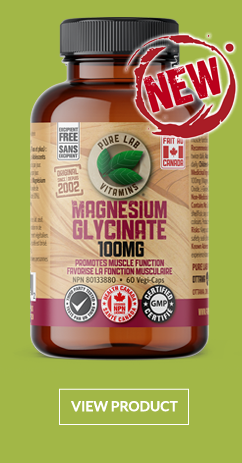
 Magnesium Glycinate 100 mg
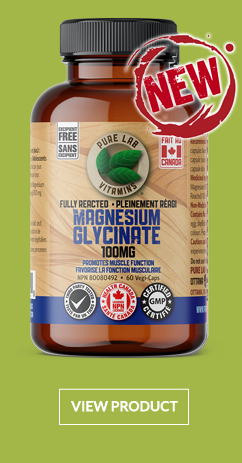
 Magnesium Glycinate Fully Reacted 100 mg
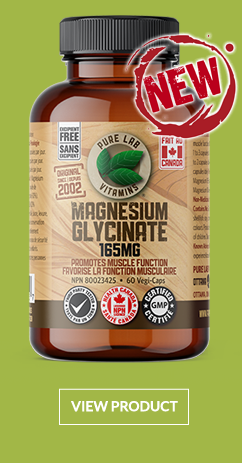
 Magnesium Glycinate 165 mg
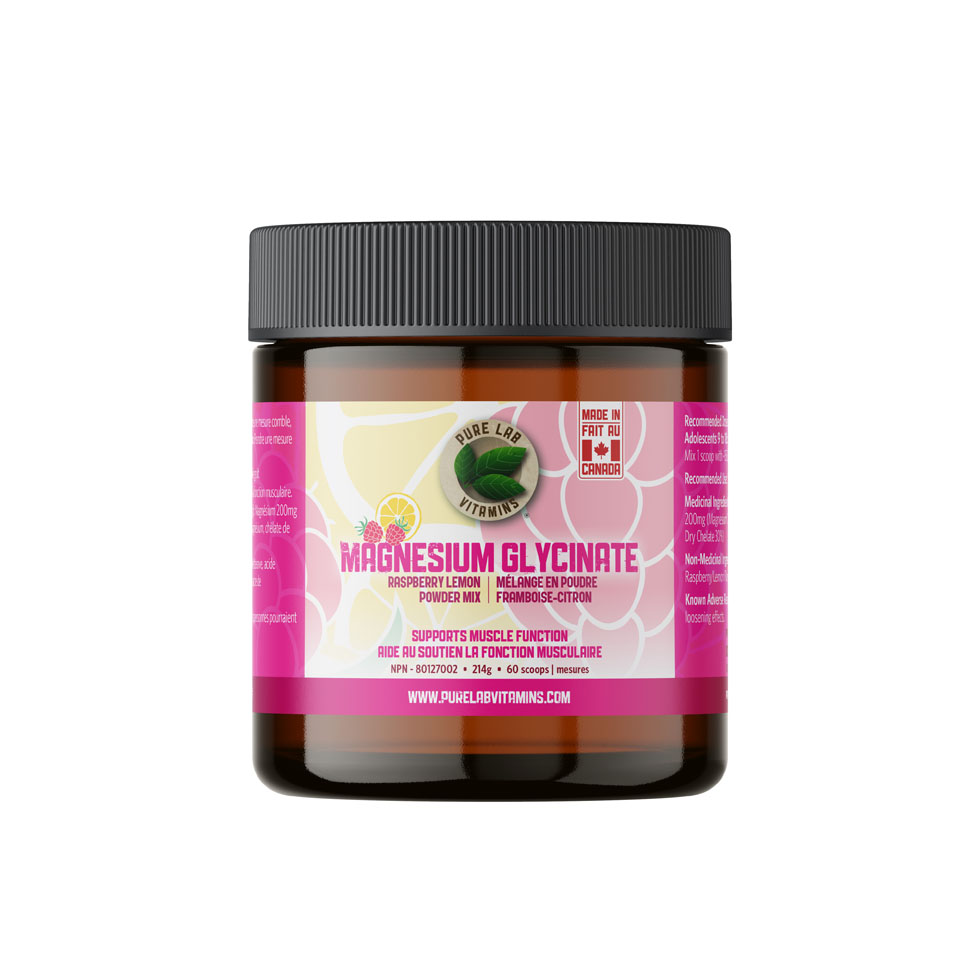
 Magnesium Glycinate Raspberry-Lemon Powder Mix
 Magnesium Glycinate + L-Theanine
 Magnesium Glycinate +Taurine +CoQ10
 Carbonyl Iron 22.5 MG
 Zinc Glycinate 23 MG
 Copper Glycinate 1 MG
 Selenomethionine 200 MCG
 Calcium Hydroxyapatite
 Bioactive B Complex
 Bioactive Folic Acid 1 MG
 Bioactive B6 (PYRIDOXAL-5-PHOSPHATE) 50 MG
 Bioactive B12 1000 MCG
 Bioactive B12 5000 MCG
 NADH SR 20 MG
 NADH + Ubiquinol
 Vitamin K2-MK7 120 MCG
 NAC 600 MG
 L-THEANINE 250 MG
 L-THEANINE SLOW RELEASE 200 MG
 L-THEANINE CHEWABLES 125 MG
 L-Glutamine Capsules
 L-Glutamine Powder
 DIM
DIM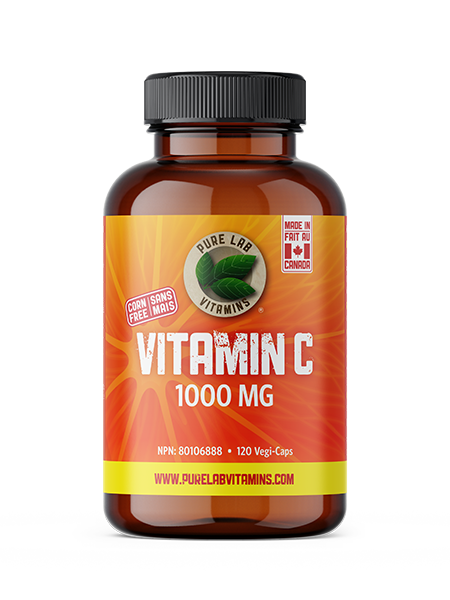 Vitamin C 1000 MG
 Vitamin C Slow Release 1000MG
 Vitamin C Powder
 Vitamin D3 1000IU
 Vitamin D3 2500IU
 Vegan Vitamin D3 1000IU
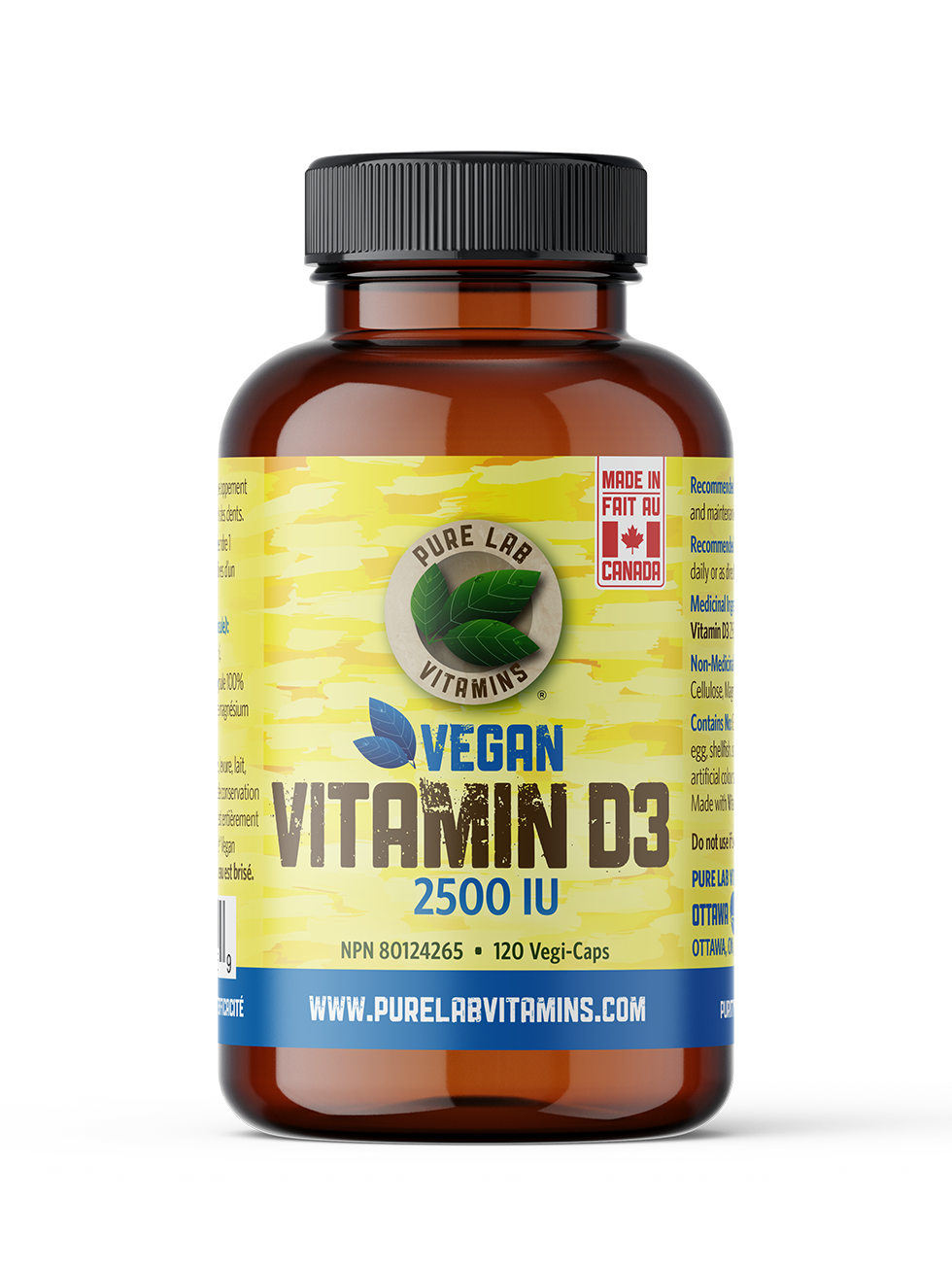 Vegan Vitamin D3 2500IU
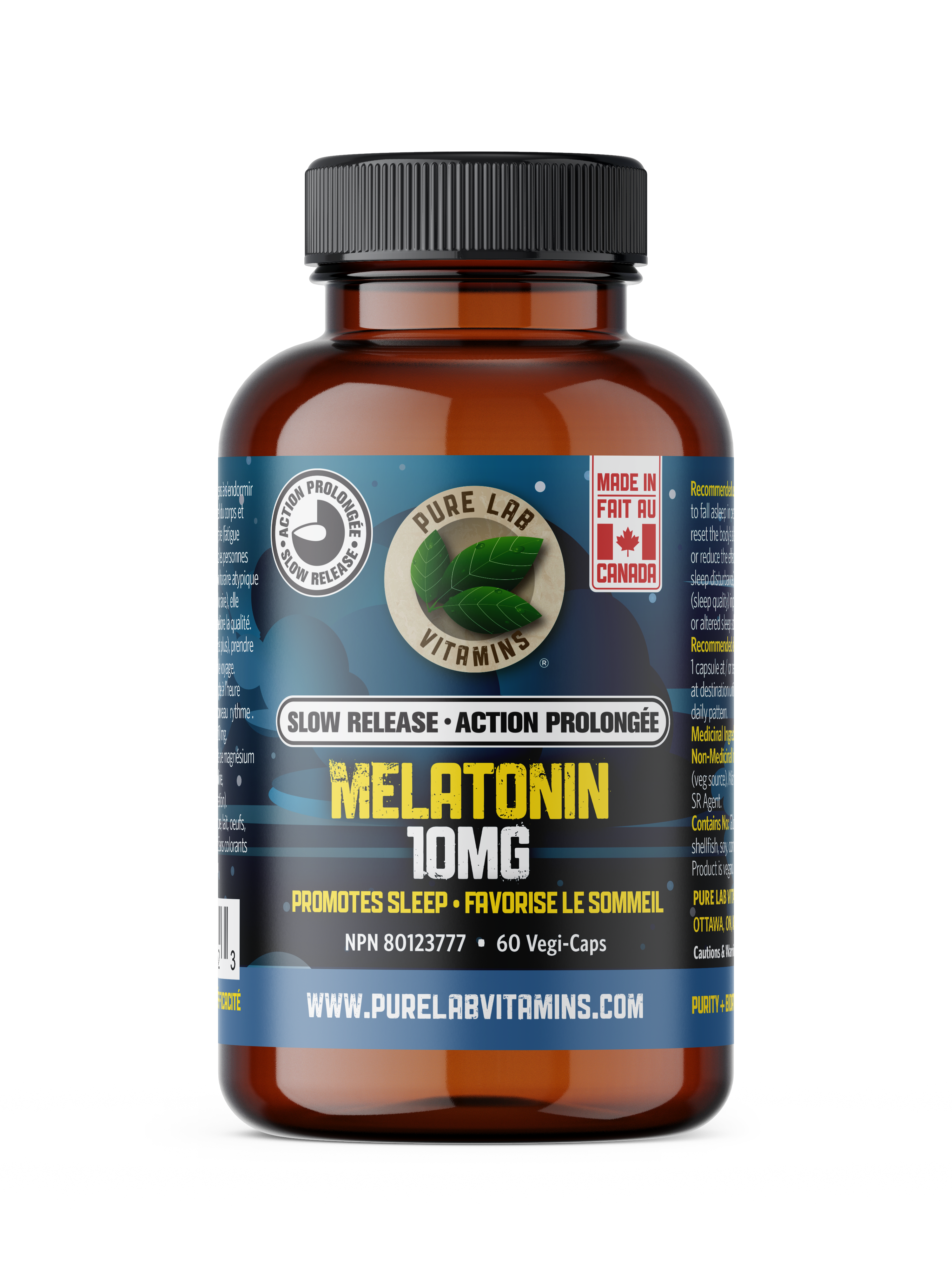 Slow Release Melatonin 10 MG
.png) Magnesium Glycinate +Melatonin
Magnesium Glycinate +Melatonin AlkaPure pH
 ThyroPure
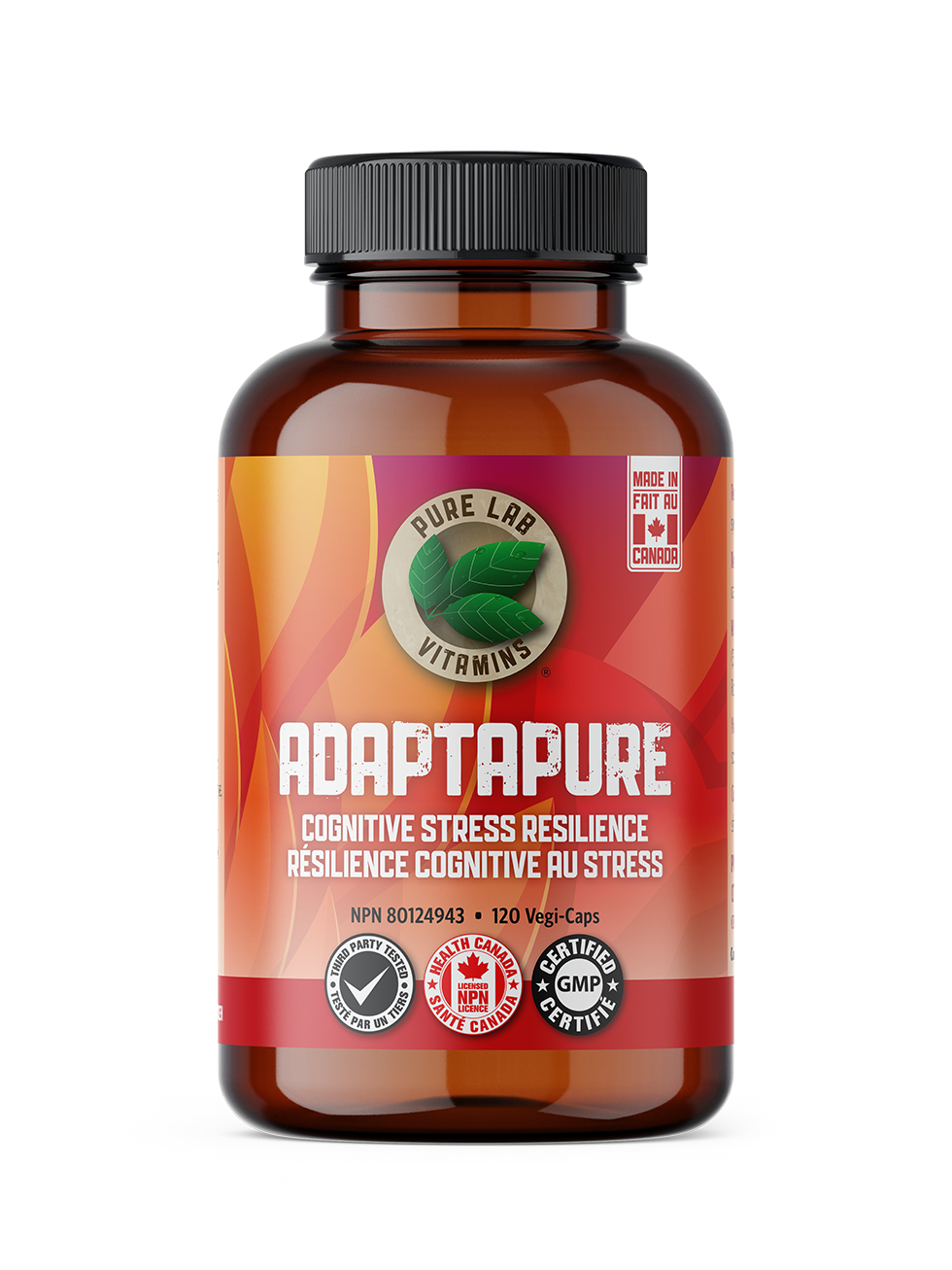 AdaptaPure
 Rhodiola
 UTI Pure 120s
 UTI Pure Powder



 WHAT'S HAPPENING AT PLV


