
 |
By Andrea Bartels 20 Feb 2026 |
When we think about circulatory health, we often picture cholesterol numbers, blood pressure readings, and heart attack prevention. But there’s another organ that depends just as much on healthy blood vessels—and it doesn’t get nearly the same attention: your brain.
Stroke and heart disease are often talked about as separate health issues, but they’re more closely connected than most people realize. In fact, they share many of the same risk factors: high blood pressure, poor blood sugar control, chronic inflammation, smoking, inactivity, and long-term nutritional imbalances.
The difference isn’t what goes wrong—it’s where.
A heart attack occurs when blood flow to the heart muscle is compromised. A stroke occurs when blood flow to part of the brain is disrupted—either by a clot or a weakened vessel. In both cases, the underlying issue is poor vascular health.
That’s where everyday nutrition comes in.
What you eat plays a major role in keeping blood vessels flexible, clear, and resilient over time. Diets built around whole, minimally processed foods help support healthy blood pressure, balanced cholesterol levels, and steady blood sugar—all of which protect both the heart and the brain.
Foods rich in fibre, such as vegetables, fruits, legumes, and whole grains, support cholesterol and blood sugar regulation. Unsaturated fats from olive oil, nuts, seeds, and coldwater fish help reduce inflammation and support normal blood flow. On the other hand, diets high in ultra-processed foods, refined carbohydrates, and excess sodium can quietly damage the blood vessels over time.
Certain micronutrients also play behind-the-scenes roles in vascular health. Electrolyte minerals such as potassium and magnesium play roles in blood pressure regulation. Antioxidants like vitamin C, vitamin E, carotenoids and selenium fight free radicals, thereby helping to protect blood vessel walls.
Meanwhile, the B family of vitamins play a role in healthy blood vessel maintenance by supporting the normal metabolism of homocysteine - - a natural by-product that forms in the body when we break down protein. When homocysteine levels rise too much, it can become ‘unfriendly’ to the blood vessels, making them less flexible and more inflamed over time. Since the heart and brain rely on smooth, well-functioning blood vessels, that’s why keeping homocysteine in balance is considered an important part of supporting long-term cardiovascular (heart) and cerebrovascular (brain) vessel health.
While food sources are ideal ways to get these nutrients, for many people eating perfectly consistently isn’t always realistic. In those cases, supplementing with nutrients known to support healthy blood flow and vascular function may help fill nutritional gaps—especially when used alongside a generally balanced diet and healthy lifestyle. Examples include vitamin C, which supports the structure of blood vessel walls; magnesium, which relaxes vessel walls, supporting healthy blood pressure, and omega-3 fatty acids, which support healthy circulation. Supplementary forms of these nutrients by themselves cannot fully replace a healthy diet, but they help us fulfil our nutritional goals more easily.
Caring for your heart and caring for your brain don’t need to be separate goals. Supporting the health of your arteries isn’t just about protecting your heart—it’s about protecting your brain, your cognition, your independence, and your quality of life as you age.
When stroke is framed as a vascular issue rather than a sudden, unpredictable event, prevention becomes more approachable. Remember that supporting blood vessel health doesn’t require extreme diets or perfection—it’s about making supportive choices part of your regular routine.
 WHAT'S HAPPENING AT PLV


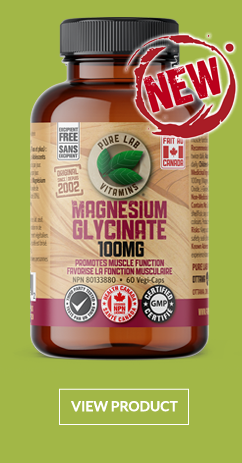
 Magnesium Glycinate 100 mg
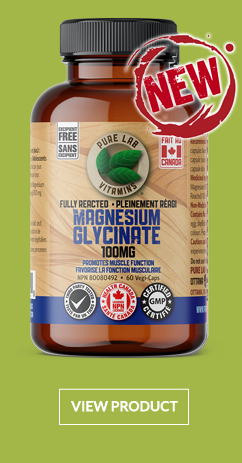
 Magnesium Glycinate Fully Reacted 100 mg
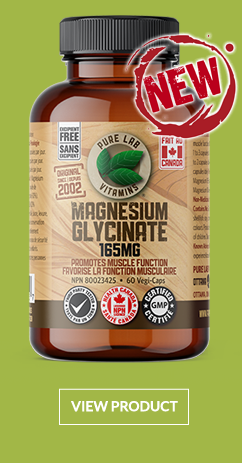
 Magnesium Glycinate 165 mg
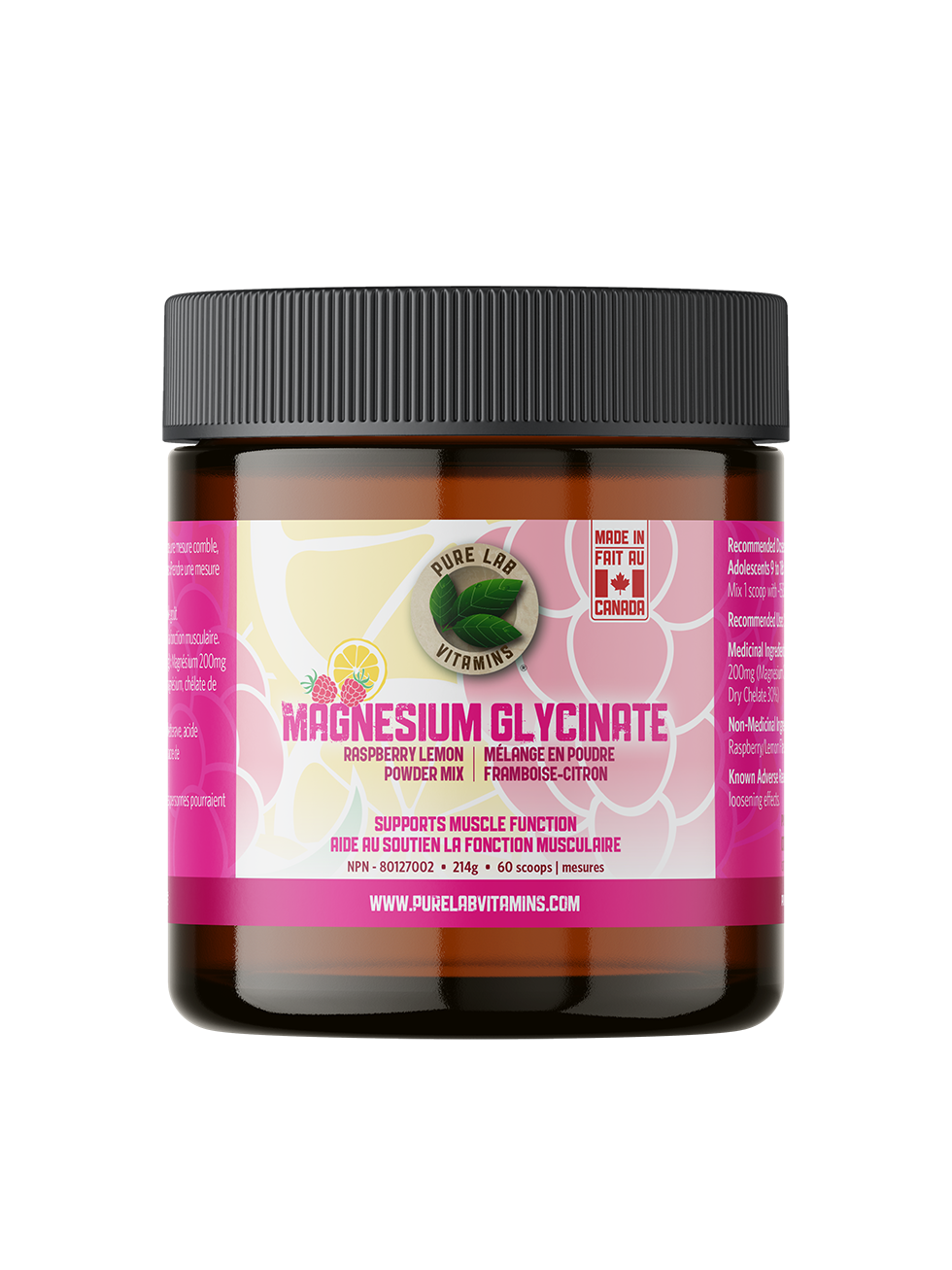 Magnesium Glycinate Raspberry Lemon-Powder Mix
 Magnesium Glycinate + L-Theanine
 Magnesium Glycinate +Taurine +CoQ10
 Carbonyl Iron 22.5 MG
 Zinc Glycinate 23 MG
 Copper Glycinate 1 MG
 Selenomethionine 200 MCG
 Calcium Hydroxyapatite
 Bioactive B Complex
 Bioactive Folic Acid 1 MG
 Bioactive B6 (PYRIDOXAL-5-PHOSPHATE) 50 MG
 Bioactive B12 1000 MCG
 Bioactive B12 5000 MCG
 NADH SR 20 MG
 NADH + Ubiquinol
 Vitamin K2-MK7 120 MCG
 NAC 600 MG
 L-THEANINE 250 MG
 L-THEANINE SLOW RELEASE 200 MG
 L-THEANINE CHEWABLES 125 MG
 L-Glutamine Capsules
 L-Glutamine Powder
 Magnesium Butyrate
 DIM
DIM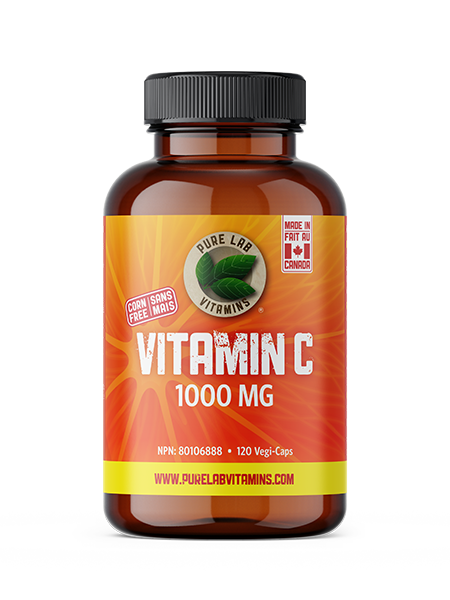 Vitamin C 1000 MG
 Vitamin C Slow Release 1000MG
 Vitamin C Powder
 Vitamin D3 1000IU
 Vitamin D3 2500IU
 Vegan Vitamin D3 1000IU
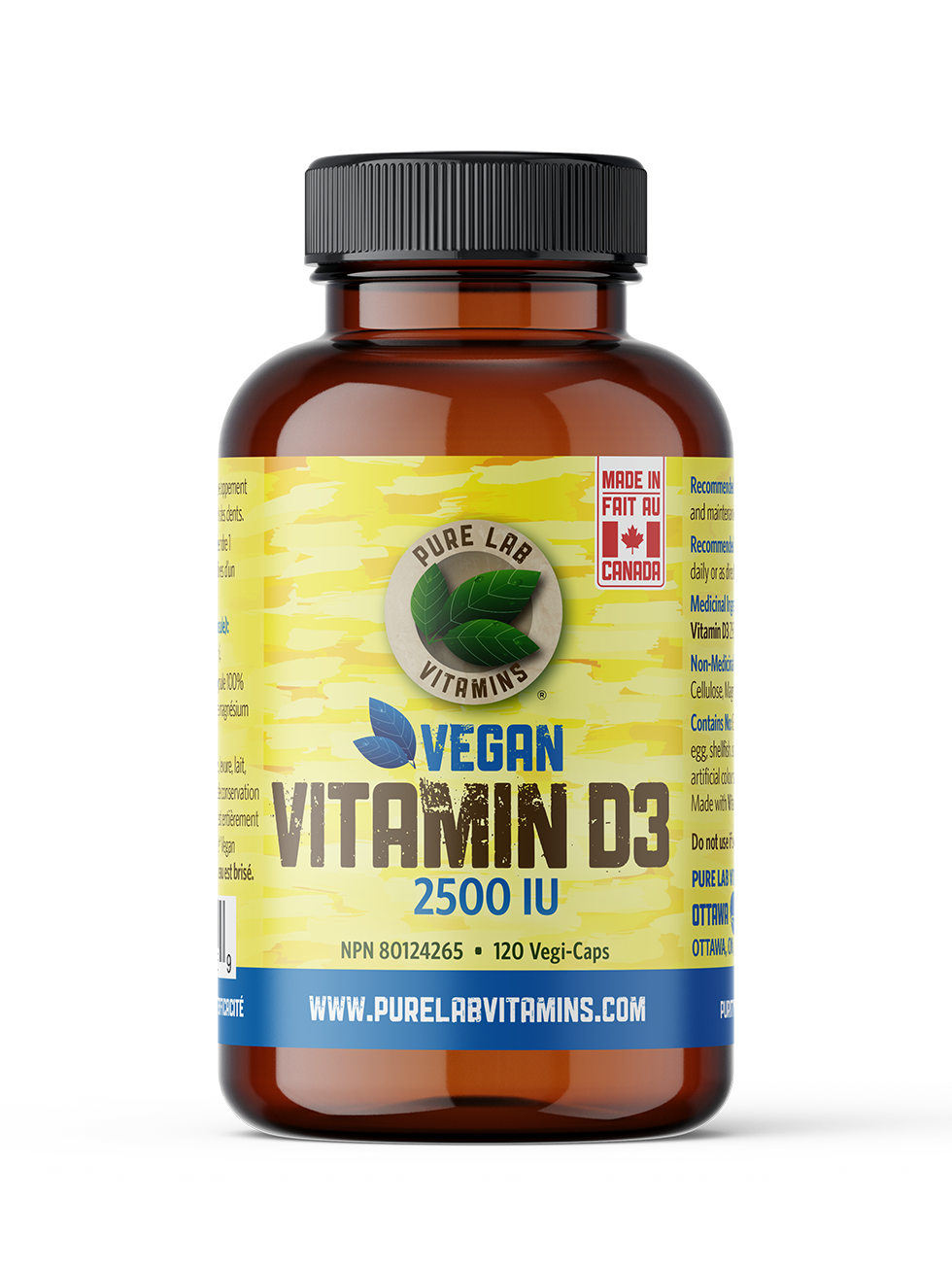 Vegan Vitamin D3 2500IU
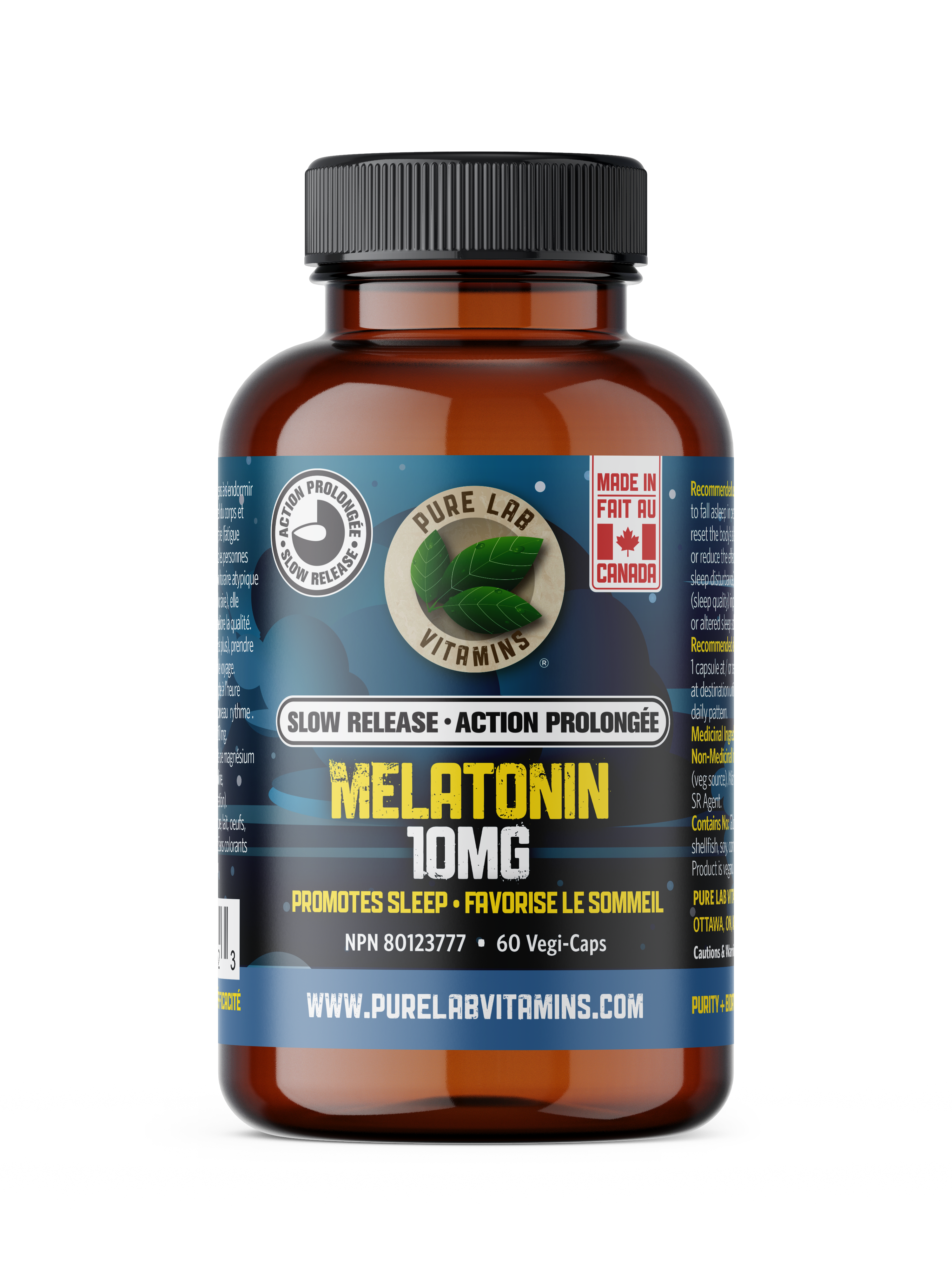 Slow Release Melatonin 10 MG
.png) Magnesium Glycinate +Melatonin
Magnesium Glycinate +Melatonin AlkaPure pH
 ThyroPure
 AdaptaPure
 Rhodiola
 UTI Pure 120s
 UTI Pure Powder