
 |
By Andrea Bartels 01 Apr 2026 |
Do you ever feel mentally drained halfway through the day — manifesting as brain fog, distraction, or mental fatigue? When B vitamins are in short supply to your brain then mental processes slow down. Your brain runs on glucose from carbohydrate-containing foods, but it can’t use that fuel without help. That’s where B vitamins come in. Vitamins like B1, B2, B3 and B5 help convert the carbs you eat into usable energy inside your brain cells. Look for increased attention, energy and clarity when you up your B vitamin intake.
If you feel irritable, impatient, anxious, “blah” or unmotivated today, your B vitamins may need topping up. B vitamins help your brain produce neurotransmitters — the chemicals that regulate how you feel and think. The main ones include:
Vitamin B6 plays a key role in making all three. When these are balanced, it’s easier to feel steady, focused, and mentally clear — not wired, not sluggish, just on.
Your brain depends on good blood flow to function well. Vitamin B6, B12 and folate help regulate homocysteine — a compound that, when elevated, can put stress on blood vessels. Over time, that can affect memory, mood, and cognitive performance. Think of these B vitamins as part of your brain’s long-term maintenance system, indirectly supporting healthy brain circulation. Better circulation means more oxygen and more efficient delivery of nutrients to your brain cells. The results? Better mental energy and focus - - for work and play.
What B vitamin helps you stay sharp, responsive, and mentally clear? Vitamin B12 helps maintain myelin, the protective coating around your nerves. Myelin allows messages to move quickly and efficiently throughout your brain and body- - to your hands and feet, to your digestive system, and so on. Vitamin B12 is a key nutrient that ensures the nervous system is well connected. Increased energy, co-ordination and clearer thinking are often noticeable when you lift your B12 levels.
Some people are more likely to fall short on B vitamins:
For these groups, targeted supplementation can make a real difference. Pure Lab’s BioActive B12 (1000 mcg & 5000 mcg) provides methylcobalamin — the active form of B12 — in a lactose-free, sugar-free, sublingual dissolving tablet for optimal absorption.
B vitamins are found in foods like leafy greens, whole grains, eggs, fish, and legumes — but modern diets and stress levels can increase our needs for these nutrients. For those not getting enough through diet alone, supplementing can make a meaningful difference. Pure Lab’s Slow Release BioActive B Complex delivers fully activated B vitamins in balanced ratios, released gradually over 4–5 hours to support steady levels throughout the day. This minimizes your daily dosage in just 1 or 2 capsules. (And yes — bright yellow urine while supplementing B vitamins is normal. It simply means your body is using what it needs and clearing the rest.)
Supporting your brain isn’t about pushing it harder — it’s about giving it what it needs to function well. B vitamins help your brain produce energy, stay mentally clear, regulate mood and maintain resilience over time. Make them part of your daily routine —and watch your focus, energy, and clarity improve.
References
Clarke, Robert et al. Low Vitamin B-12 Status and Risk of Cognitive Decline in Older Adults. Am J Clin Nutr Nov 2007, 86 (5), 1384-91.
Jacobson Bensky, Merav et al. Comparison of Sublingual vs. Intramuscular Administration of Vitamin B12 for the Treatment of Patients With Vitamin B12 Deficiency. Drug Deliv Transl Res Jun 2019, 9 (3), 625-630.
Kim H, Kim G, Jang W, Kim SY, Chang N. Association between intake of B vitamins and cognitive function in elderly Koreans with cognitive impairment. Nutr J. 2014;13(1):118. Published 2014 Dec 17.
Mahdavifar B, Hosseinzadeh M, Salehi-Abargouei A, Mirzaei M, Vafa M. Dietary intake of B vitamins and their association with depression, anxiety, and stress symptoms: A cross-sectional, population-based survey. J Affect Disord. 2021;288:92-98.
National Institutes of Health (NIH), Office of Dietary Supplements. “Vitamin B12: Fact Sheet for Health Professionals”. Accessed online March 24, 2026.
Yan Ji, Song Tan, Yuming Xu, Avinash Chandra, Changhe Shi, Bo Song, Jie Qin, Yuan Gao. Vitamin B supplementation, homocysteine levels, and the risk of cerebrovascular disease:A meta-analysis. Neurology Oct 2013, 81 (15) 1298-1307.
 WHAT'S HAPPENING AT PLV


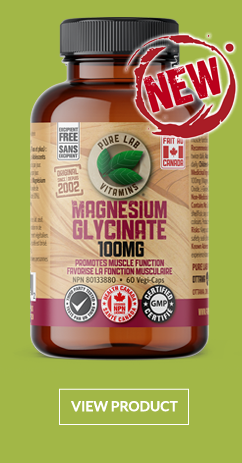
 Magnesium Glycinate 100 mg
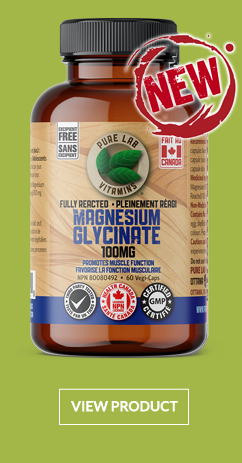
 Magnesium Glycinate Fully Reacted 100 mg
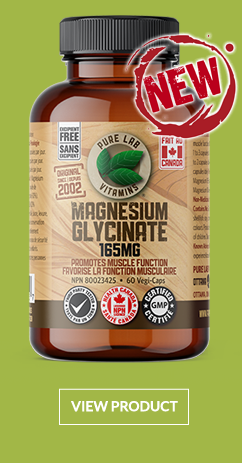
 Magnesium Glycinate 165 mg
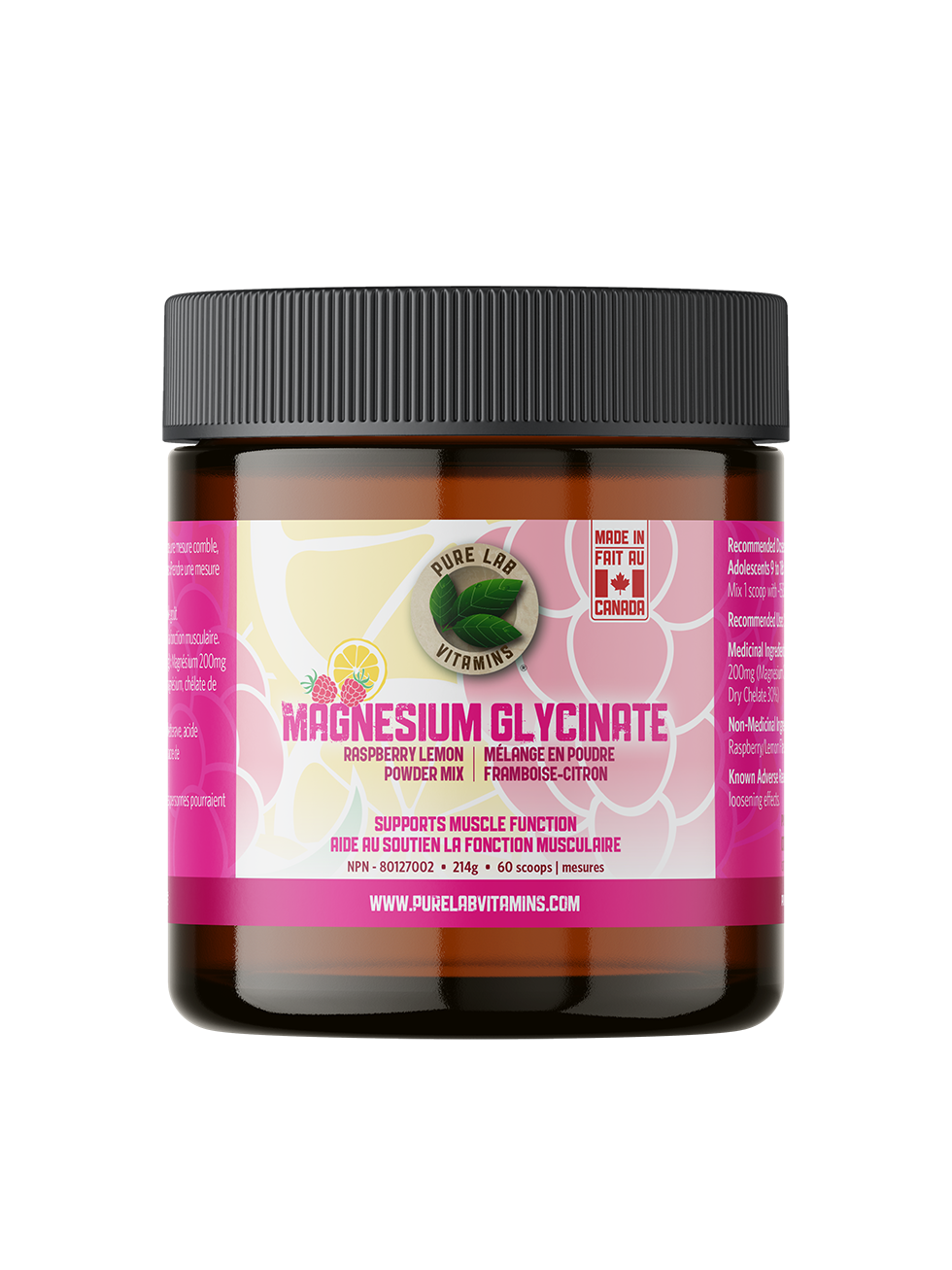 Magnesium Glycinate Raspberry Lemon-Powder Mix
 Magnesium Glycinate + L-Theanine
 Magnesium Glycinate +Taurine +CoQ10
 Carbonyl Iron 22.5 MG
 Zinc Glycinate 23 MG
 Copper Glycinate 1 MG
 Selenomethionine 200 MCG
 Calcium Hydroxyapatite
 Bioactive B Complex
 Bioactive Folic Acid 1 MG
 Bioactive B6 (PYRIDOXAL-5-PHOSPHATE) 50 MG
 Bioactive B12 1000 MCG
 Bioactive B12 5000 MCG
 NADH SR 20 MG
 NADH + Ubiquinol
 Vitamin K2-MK7 120 MCG
 NAC 600 MG
 L-THEANINE 250 MG
 L-THEANINE SLOW RELEASE 200 MG
 L-THEANINE CHEWABLES 125 MG
 L-Glutamine Capsules
 L-Glutamine Powder
 Magnesium Butyrate
 DIM
DIM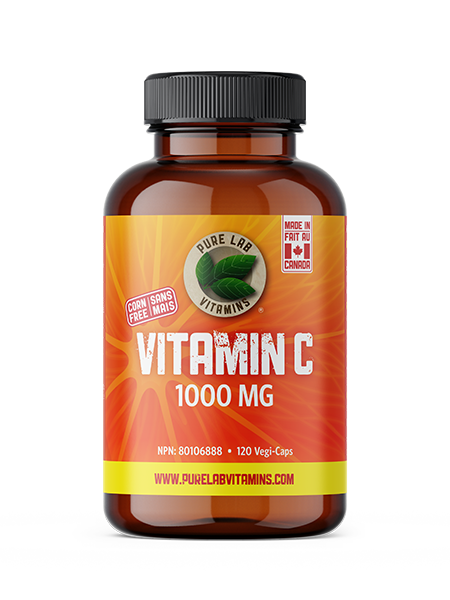 Vitamin C 1000 MG
 Vitamin C Slow Release 1000MG
 Vitamin C Powder
 Vitamin D3 1000IU
 Vitamin D3 2500IU
 Vegan Vitamin D3 1000IU
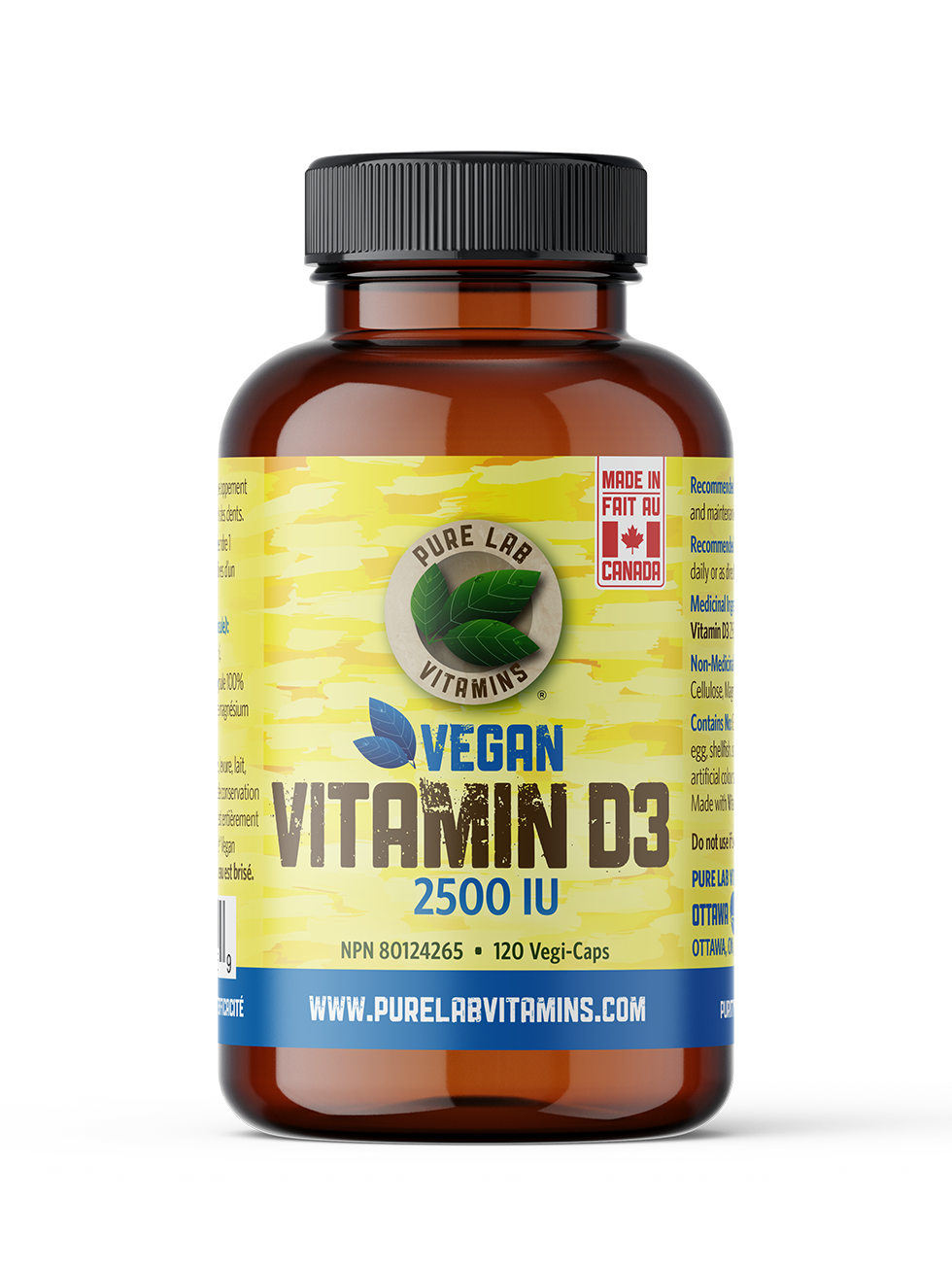 Vegan Vitamin D3 2500IU
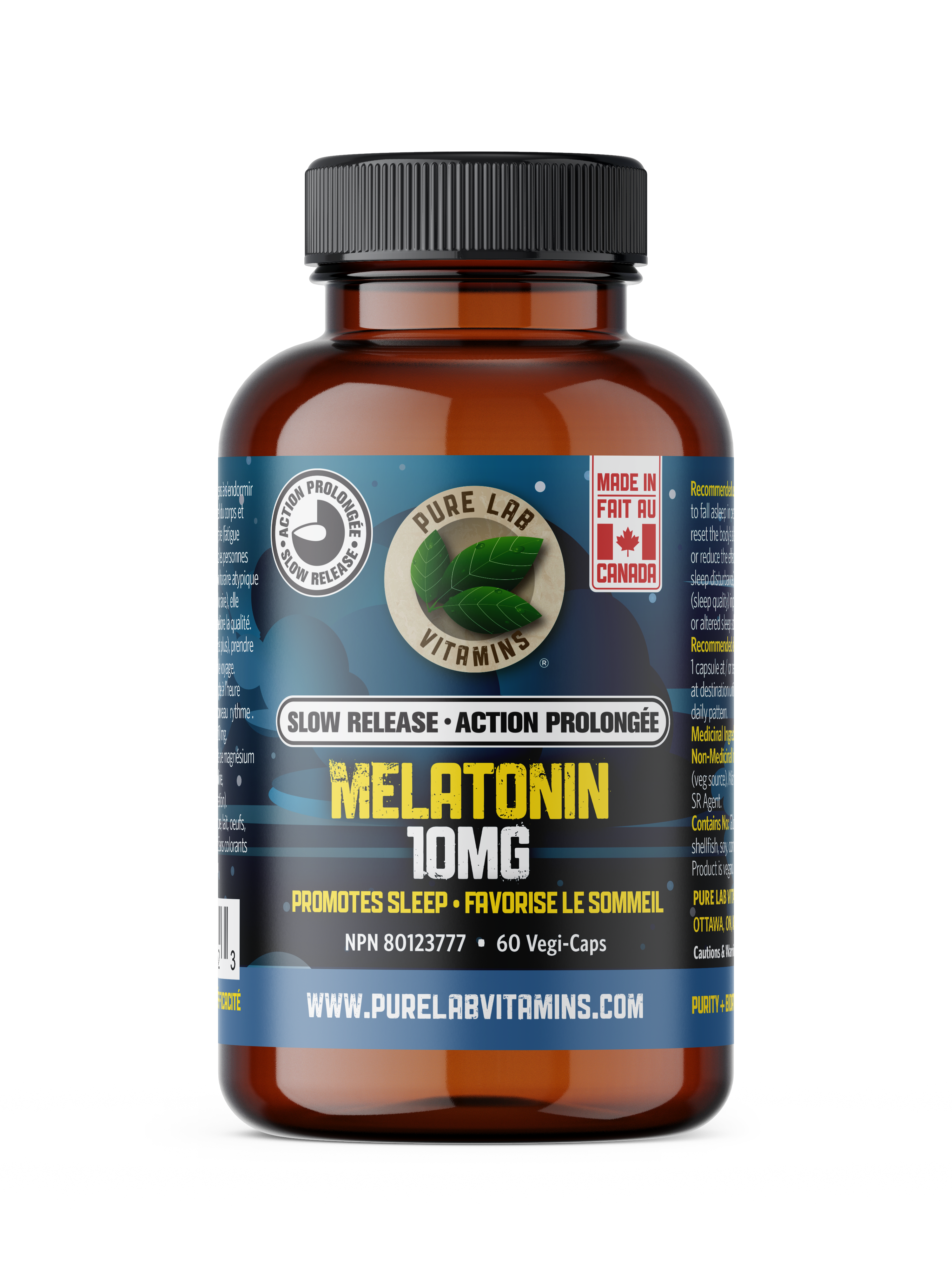 Slow Release Melatonin 10 MG
.png) Magnesium Glycinate +Melatonin
Magnesium Glycinate +Melatonin AlkaPure pH
 ThyroPure
 AdaptaPure
 Rhodiola
 UTI Pure 120s
 UTI Pure Powder