 |
By Andrea Bartels CNP NNCP RNT 20 May 2025 |
When it comes to women’s health, hormones play a powerful yet often misunderstood role. In particular, estrogen is essential for a woman’s wellbeing. Let’s explore how estrogen interacts with four valuable nutrients in the maintenance of energy, bones, and a healthy menstrual cycle.
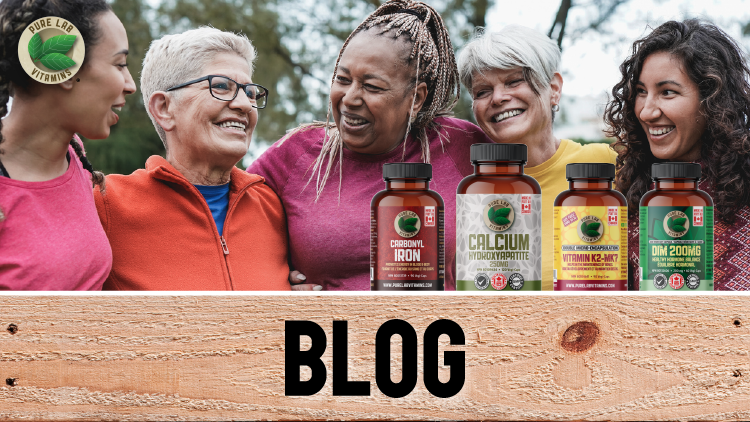
Iron is fuel for energy. Estrogen plays a role in red blood cell production and can influence how iron is metabolized. Yet during our reproductive years, monthly blood loss from menstruation --- governed in part by estrogen—can deplete iron stores, especially in females with heavy periods. Low iron can leave you feeling tired, foggy and weak. That’s why it’s important to ask your health care provider to measure your ferritin, or iron stores. If it’s determined that your ferritin is under 30, then you’ll need to supplement a good quality iron to resume feeling your best. Look for a product that’s easily absorbed, non-nauseating and non-constipating, like Pure Lab’s Carbonyl Iron. Each capsule contains 22.5 mg of well-absorbed, elemental iron, plus 100 mg of vitamin C, to maximize absorption potential. With an absorption of 69%, carbonyl iron has the highest capability of raising ferritin levels more rapidly than any other form of oral iron supplement.
Calcium: Think of this mineral as estrogen’s partner in bone health. Estrogen helps regulate the activity of osteoblasts--- the cells that build bone. When estrogen levels are high, bones are better protected. But as estrogen declines, starting right before menopause, bone density loss accelerates—putting women at elevated risk for developing osteoporosis (porous bones). In turn, this increases bone fracture risk. That’s why estrogen needs all the help it can get from certain nutrients to buffer the bone loss that is part of hormonal changes. These nutrients include calcium, vitamin D and vitamin K2.
There are several types of supplementary calcium in the marketplace, and most of them don’t come from once-living tissue. In fact, most of them are sourced from rock, making them poorly absorbed in the absence of special processing. On the other hand, Pure Lab’s Calcium Hydroxyapatite is sourced from bone meal, giving it the built-in benefits of multiple minerals and proteins. Each capsule contains 250 mg of elemental calcium and 100 mg of phosphorus, along with trace minerals and bone-growth factors naturally present in the high-grade, BSE-free our Australian-sourced bovine bone meal.
Vitamin K2 is another key nutrient in bone maintenance because it directs calcium into the bones, instead of to where it shouldn’t go. This is especially important to realize starting at menopause because without estrogen production, calcium can begin migrating to soft tissues. Although it’s no substitute for estrogen, vitamin K2 is a talented vitamin that helps counterbalance the effects of declining estrogen by keeping calcium from depositing in soft tissues like the arteries where it may contribute to cardiovascular disease. How much do you need? Just 120 mcg per day of a good quality vitamin K2, in its most bioavailable form, MK7, should suffice. Whereas other Vitamin K2 products must be taken separately from mineral supplements and dairy products in order to be effective, Pure Lab’s Vitamin K2 MK7 is double-microencapsulated so it may be taken with mineral-containing supplements and foods without compromising absorption. It’s also soy-free.
DIM: DIM (diindolylmethane) is a compound that doesn’t add or subtract estrogen from your body; rather, it helps your body process it more efficiently. That’s why many women turn to DIM to help regulate hormonal shifts—such as PMS, perimenopause, or when dealing with estrogen dominance symptoms like bloating, breast tenderness, or mood swings. Some also use it as part of a proactive routine for breast health.
Here's where DIM shines: it guides estrogen down a pathway that favours estrogen breakdown and clearance in the liver, which can help the body maintain a more balanced hormonal state. Although cruciferous vegetables like broccoli, kale, Brussels sprouts and cauliflower, don’t contain DIM itself, here’s a neat fact: you can potentially make DIM in your own stomach when you digest these foods. However, for many individuals, these foods can cause uncomfortable gas and bloating. Even in supplementary form, DIM is not very stable in stomach acid, limiting its effectiveness unless it’s properly stabilized. That’s why Pure Lab’s DIM 200 mg is designed to be acid-resistant for up to 30 minutes. Simply take it 30 minutes before a meal, once daily to receive the hormone-balancing benefits.
Estrogen is Not the Enemy. Unlike diamonds, estrogen doesn’t last forever. From puberty through menopause, estrogen’s role is to help our bodies thrive. It’s vital to a woman’s well-being at every stage of life. It’s crucial for energy, cognitive sharpness, healthy hair and skin, and strong bones. Rather than fearing its fluctuations, support the systems that help estrogen do its best work with nutrients that work with your estrogen, not against it: iron, calcium, vitamin K2 and DIM. They can help us stay strong, energized and in ‘hormone harmony’---no matter what life stage you’re in---because when your hormones are supported, so are you.
References
Adsul BB, Desai A, Gawde A, Baliga V. Comparative assessment of the bioavailability, efficacy and safety of a modified-release (MR) carbonyl iron tablet and oral conventional iron preparation in adult Indian patients with nutritional iron deficiency anaemia. J Indian Med Assoc. 2005;103(6):338-342.
Chang YC, Riby J, Chang GH, Peng BC, Firestone G, Bjeldanes LF. Cytostatic and antiestrogenic effects of 2-(indol-3-ylmethyl)-3,3'-diindolylmethane, a major in vivo product of dietary indole-3-carbinol. Biochem Pharmacol. 1999;58(5):825-834.
Harrison, Lane. “Ontario’s new iron deficiency guidelines may change lives: doctors.” CBC News Sept 9 2024.
Higdon JV, Delage B, Williams DE, Dashwood RH. Cruciferous vegetables and human cancer risk: epidemiologic evidence and mechanistic basis. Pharmacol Res. 2007;55(3):224-236.
Khalil Z, Alam B, Akbari AR, Sharma H. The Medical Benefits of Vitamin K2 on Calcium-Related Disorders. Nutrients. 2021;13(2):691. Published 2021 Feb 21.
Khosla S, Oursler MJ, Monroe DG. Estrogen and the skeleton. Trends Endocrinol Metab. 2012;23(11):576-581.
Link Rachael. CPE Monthly: Cruciferous Vegetables. Today’s Dietitian Vol.22, No.6, p.46. Accessed online May 14 2025.
Michnovicz JJ, Adlercreutz H, Bradlow HL. Changes in levels of urinary estrogen metabolites after oral indole-3-carbinol treatment in humans. J Natl Cancer Inst. 1997;89(10):718-723.
Munro MG, Mast AE, Powers JM, et al. The relationship between heavy menstrual bleeding, iron deficiency, and iron deficiency anemia. Am J Obstet Gynecol. 2023;229(1):1-9.
Osteoporosis Canada. “Nutrition”. Accessed online May 14, 2025.
Villa JKD, Diaz MAN, Pizziolo VR, Martino HSD. Effect of vitamin K in bone metabolism and vascular calcification: A review of mechanisms of action and evidences. Crit Rev Food Sci Nutr. 2017;57(18):3959-3970.
Wen L, Chen J, Duan L, Li S. Vitamin K‑dependent proteins involved in bone and cardiovascular health (Review). Mol Med Rep. 2018;18(1):3-15.
Yang Q, Jian J, Katz S, Abramson SB, Huang X. 17β-Estradiol inhibits iron hormone hepcidin through an estrogen responsive element half-site. Endocrinology. 2012;153(7):3170-3178.
 WHAT'S HAPPENING AT PLV


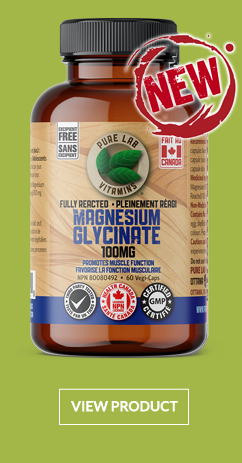
 Magnesium Glycinate 100 mg
 Magnesium Glycinate Fully Reacted 100 mg
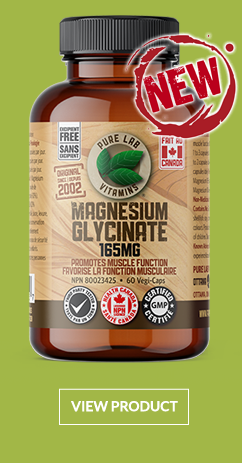
 Magnesium Glycinate 165 mg
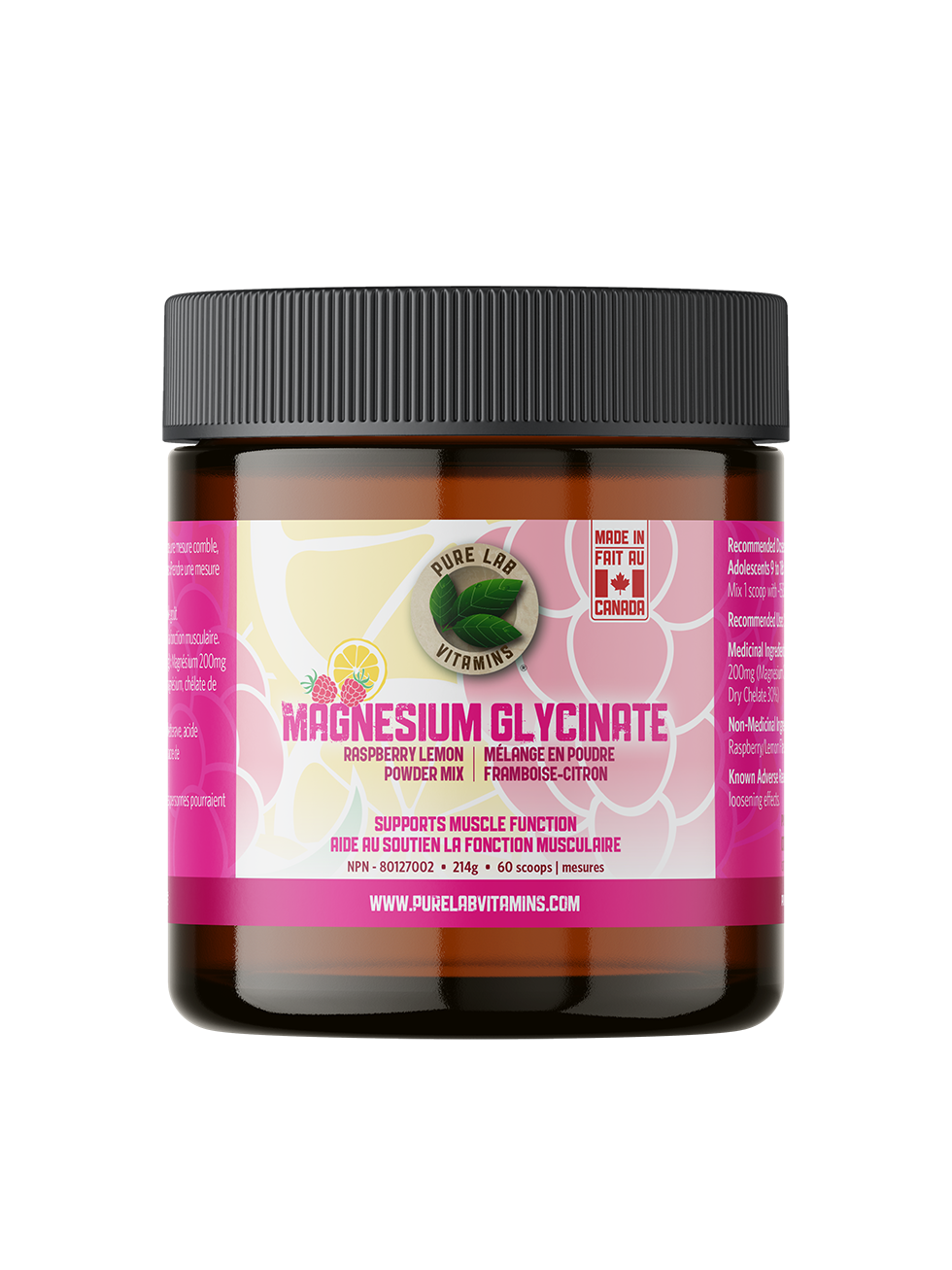 Magnesium Glycinate Raspberry Lemon-Powder Mix
 Magnesium Glycinate + L-Theanine
 Magnesium Glycinate +Taurine +CoQ10
 Carbonyl Iron 22.5 MG
 Zinc Glycinate 23 MG
 Copper Glycinate 1 MG
 Selenomethionine 200 MCG
 Calcium Hydroxyapatite
 Bioactive B Complex
 Bioactive Folic Acid 1 MG
 Bioactive B6 (PYRIDOXAL-5-PHOSPHATE) 50 MG
 Bioactive B12 1000 MCG
 Bioactive B12 5000 MCG
 NADH SR 20 MG
 NADH + Ubiquinol
 Vitamin K2-MK7 120 MCG
 NAC 600 MG
 L-THEANINE 250 MG
 L-THEANINE SLOW RELEASE 200 MG
 L-THEANINE CHEWABLES 125 MG
 L-Glutamine Capsules
 L-Glutamine Powder
 Magnesium Butyrate
 DIM
DIM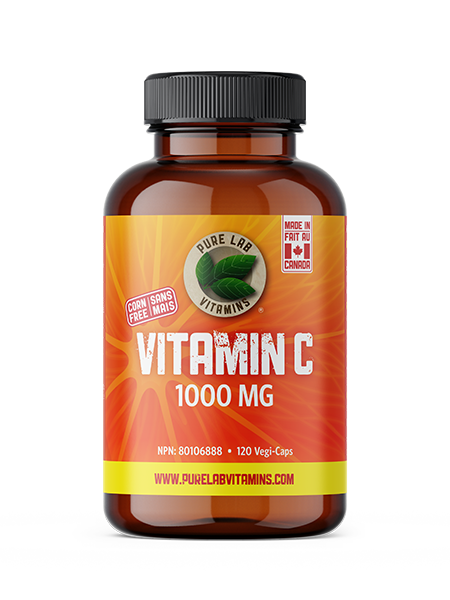 Vitamin C 1000 MG
 Vitamin C Slow Release 1000MG
 Vitamin C Powder
 Vitamin D3 1000IU
 Vitamin D3 2500IU
 Vegan Vitamin D3 1000IU
 Vegan Vitamin D3 2500IU
 Slow Release Melatonin 10 MG
.png) Magnesium Glycinate +Melatonin
Magnesium Glycinate +Melatonin AlkaPure pH
 ThyroPure
 AdaptaPure
 Rhodiola
 UTI Pure 120s
 UTI Pure Powder